
If you’re dealing with roof issues and asking yourself can a roof be repaired instead of replaced, you’re not alone. Roof replacement can be a costly and extensive process, and many homeowners want to know if repairing the roof is a viable option. In this guide, we’ll explore can a roof be repaired instead of replaced by considering the damage, material, and costs associated with both options. By the end of this article, you’ll have a clear understanding of when repairing a roof makes sense and when it’s time for a full replacement.
Can a Roof Be Repaired Instead of Replaced? The Basics
When you ask can a roof be repaired instead of replaced, the answer largely depends on the extent of the damage, the age of the roof, and the materials used. Minor issues like a few cracked shingles or a small leak can usually be repaired, but more significant damage often requires a full roof replacement. Let’s dive into the factors that determine if can a roof be repaired instead of replaced in your case.
1. Extent of the Damage
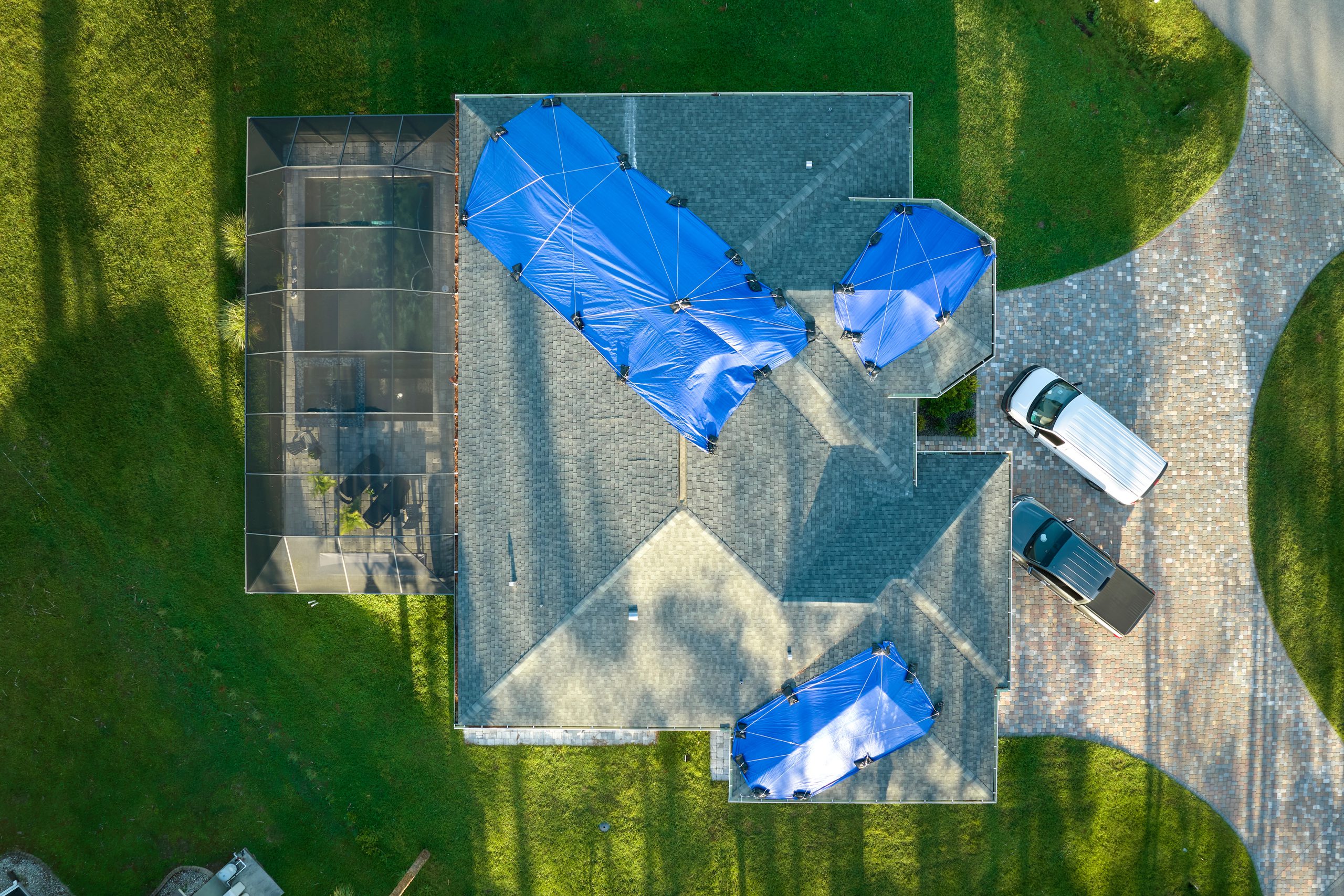
The biggest factor in determining can a roof be repaired instead of replaced is how severe the damage is. If your roof has localized issues, such as a few missing shingles or a small leak, repair might be the best solution. However, if the damage is widespread or the roof has suffered significant structural issues, replacement may be necessary.
What to Expect:
Minor Damage: Small cracks, leaks, or missing shingles can typically be repaired.
Severe Damage: Large areas of missing shingles, widespread water damage, or a sagging roof often require replacement.
2. Age of the Roof
The age of your roof plays a major role in answering can a roof be repaired instead of replaced. Roofs typically last anywhere from 15 to 30 years, depending on the materials. If your roof is nearing the end of its lifespan, frequent repairs might not be cost-effective, and a replacement may be a better long-term solution.
What to Expect:
Newer Roof: If your roof is relatively new and only has a small issue, repairing it is a viable option.
Older Roof: If your roof is approaching or past its expected lifespan, you may find that frequent repairs become necessary, and a full replacement is more economical.
3. Roofing Material
Different roofing materials have varying lifespans and repair needs. If you’re asking can a roof be repaired instead of replaced, the material type can influence your decision. Asphalt shingles, metal roofing, and slate all have different characteristics when it comes to repairs.
What to Expect:
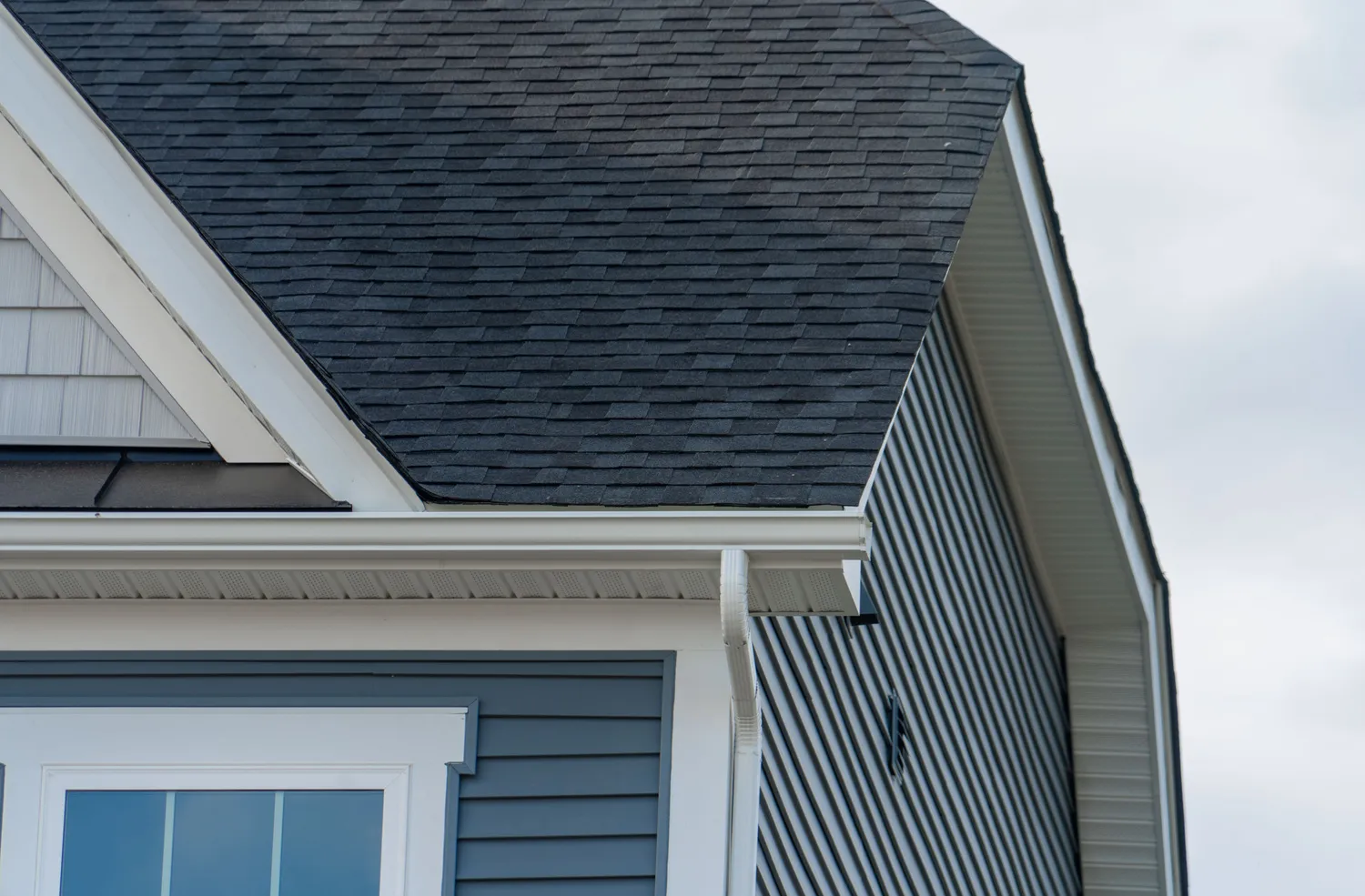
Asphalt Shingles: These are often the easiest and most affordable to repair. If only a few shingles are damaged, you can replace them without the need for a full replacement.
Metal Roofing: Metal roofs are generally durable and can often be repaired if there are minor issues. However, significant damage to metal roofs may require replacement.
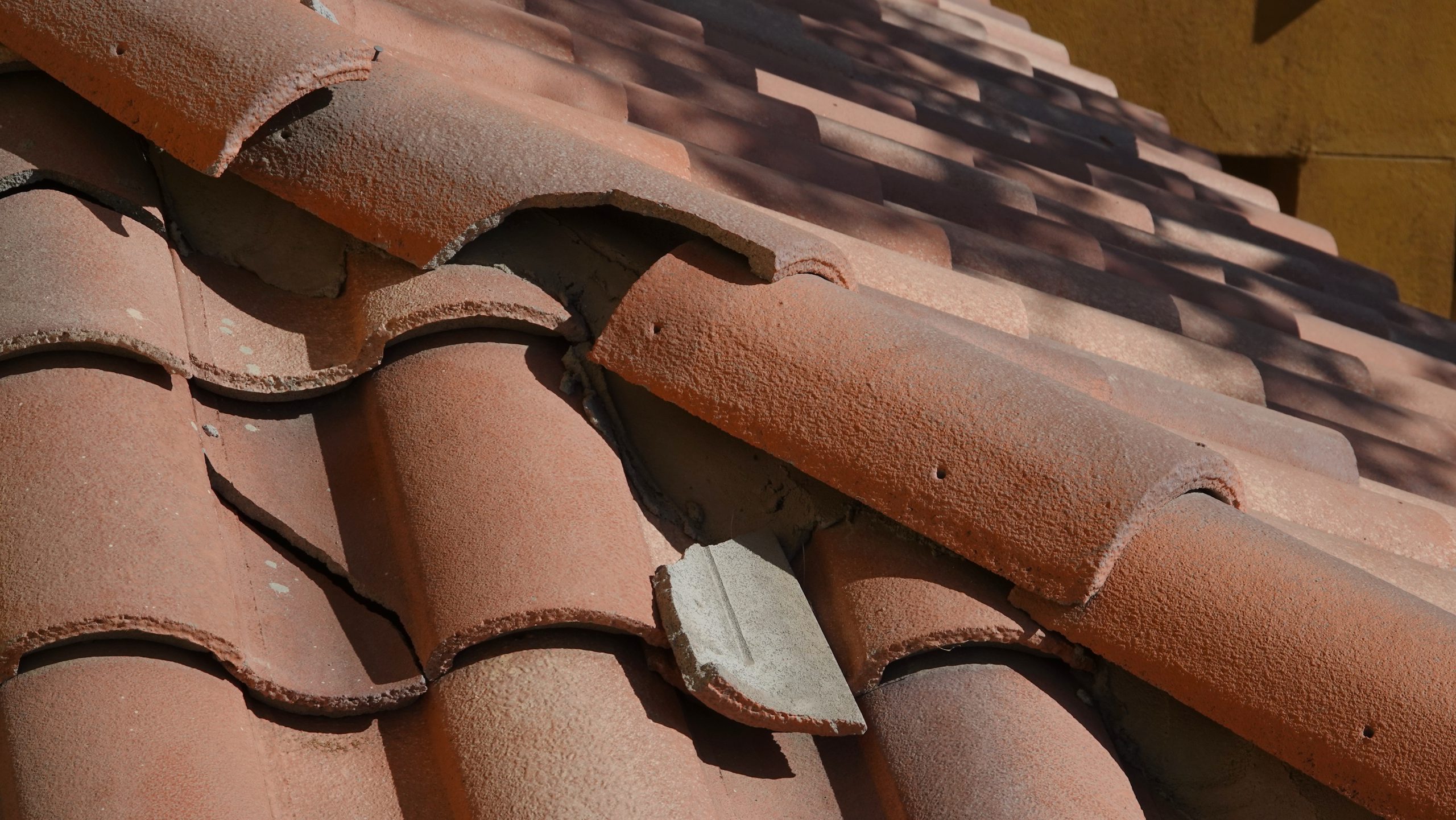
Slate or Tile: These materials are more durable but can be expensive to repair. If many tiles or slates are damaged, replacement might be necessary.
Can a Roof Be Repaired Instead of Replaced? Signs You Need a New Roof
While can a roof be repaired instead of replaced is a question worth asking, there are several signs that indicate you may need a full roof replacement. Here are some key indicators to look for:
Multiple Leaks
If your roof is leaking in several places or you find yourself making repeated repairs, it may be time to replace the roof. A series of leaks often means that the underlying structure is compromised, and repairs alone won’t fix the issue. So, when is it too late to hire a public adjuster? In cases like this, it’s best to hire an expert immediately to assess whether a roof can be repaired instead of replaced or if it needs to be replaced entirely.
What to Expect:
Multiple leaks indicate a problem beyond just surface-level damage.
A roof replacement ensures the entire structure is secure and free from future water infiltration.
Widespread Shingle Damage
If you notice that large sections of shingles are missing, cracked, or curling, this could be a sign that your roof is nearing the end of its life. While small areas of damage can be repaired, widespread damage often requires a full roof replacement. If you’re still wondering can a roof be repaired instead of replaced, widespread shingle damage is a clear indication that a replacement is needed for long-term protection.
What to Expect:
If most of the shingles are damaged, it’s more cost-effective to replace the entire roof than to keep repairing it.
Shingles that are curling or cracking are signs that the roof has reached its maximum lifespan.
Sagging Roof Deck
A sagging roof is a serious issue that requires immediate attention. If your roof deck is sagging, it means that the structural integrity of the roof has been compromised, and repair won’t solve the problem. In this case, a roof replacement is the only solution. If you’re asking can a roof be repaired instead of replaced in this case, the answer is no—structural issues require a complete replacement for safety and stability.
What to Expect:
A sagging roof indicates that the foundation is unstable and can lead to more severe damage if not addressed.
Immediate replacement is required to restore safety and prevent further deterioration.
Granules in the Gutter
If you notice granules from your shingles collecting in the gutters, it’s a sign that your shingles are deteriorating. Over time, the protective granules wear off, leaving your roof vulnerable to the elements. If this is happening across the roof, it may be time to replace it. If you’re considering can a roof be repaired instead of replaced, granule loss is often a sign that the roof is nearing the end of its life and repair won’t be sufficient.
What to Expect:
Loss of granules typically signals that your shingles are near the end of their life.
This issue is often a sign that the roof is not providing adequate protection anymore.
Can a Roof Be Repaired Instead of Replaced? Conclusion
So, can a roof be repaired instead of replaced? It depends on the extent of the damage, the age of the roof, and the material it’s made from. If you have minor issues like a few missing shingles or small leaks, repairs can often be done. However, if your roof is aging, has widespread damage, or is structurally compromised, a replacement is likely the better option.
If you’re unsure, consulting with a professional roofer can help you determine the best course of action. A roofer will assess the condition of your roof and provide expert advice on whether to repair or replace it. Ultimately, making the right choice will ensure that your home remains protected, secure, and energy-efficient for years to come.